HANS MEMLING
La Crocifissione
Quattro artisti contemporanei attorno a un capolavoro
Stefano Arienti, Matteo Fato, Julia Krahn, Danilo Sciorilli
In occasione della Quaresima e della Pasqua, il Museo Diocesano di Milano propone un’esposizione intorno alla Crocifissione di Hans Memling (Seligenstadt, Germania 1435/1440 circa – Bruges 1494), databile intorno al 1467-1470 circa e proveniente dal Museo Civico di Palazzo Chiericati di Vicenza.
In un percorso realizzato in collaborazione con Casa Testori, l’esposizione mette in dialogo con il capolavoro di Memling le opere di Stefano Arienti, Matteo Fato, Julia Krahn e Danilo Sciorilli, invitati a confrontarsi con la forza visiva e spirituale della tavola. La Crocifissione diventa così il punto di riferimento per gli artisti, chiamati a guardarlo con rispetto e discrezione, lasciandosi ispirare da dettagli compositivi, cromatici e iconografici che ciascuno rielabora in chiave attuale e contemporanea.
L’opera di Memling raffigura al centro Cristo Crocifisso, circondato sulla sinistra da San Giovanni Evangelista, che sorregge la Vergine addolorata, e dalla Maddalena, inginocchiata ai piedi della croce; mentre dall’altro lato appaiono San Giovanni Battista, che regge un agnello, e San Bernardo di Chiaravalle, santo protettore del committente, l’abate cistercense Jan Crabbe (1426-1488), nel dipinto inginocchiato in primo piano.
Sullo sfondo della scena si apre un fiabesco paesaggio collinare a volo d’uccello, reso con meticolosità tipicamente fiamminga. I colori smaltati e brillanti, la resa analitica dei volti dei personaggi, i contorni nitidi e taglienti dei panneggi richiamano i modelli di Rogier van der Weyden, di cui Memling fu con tutta probabilità allievo. La grandiosità del paesaggio e il pathos dei personaggi del gruppo sulla sinistra rivelano i tratti caratteristici dell’artista, che maturando si avvierà verso forme più dolci e meno drammatiche di quelle del suo maestro.
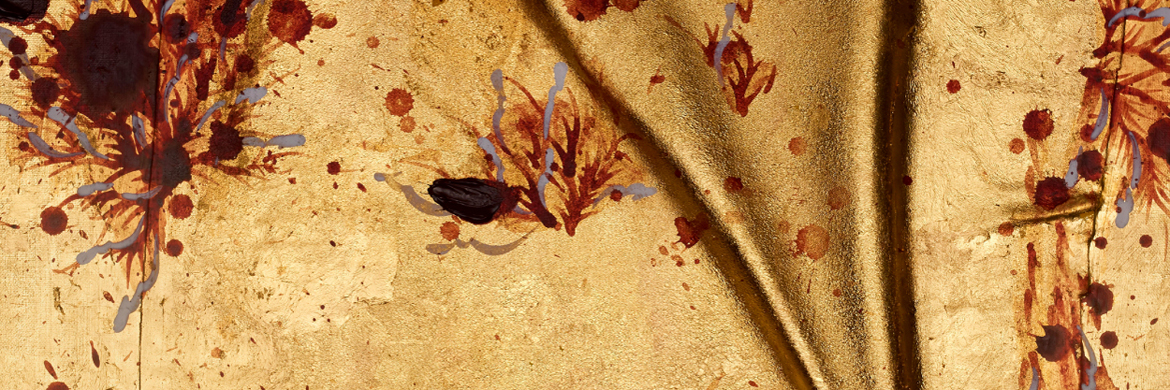
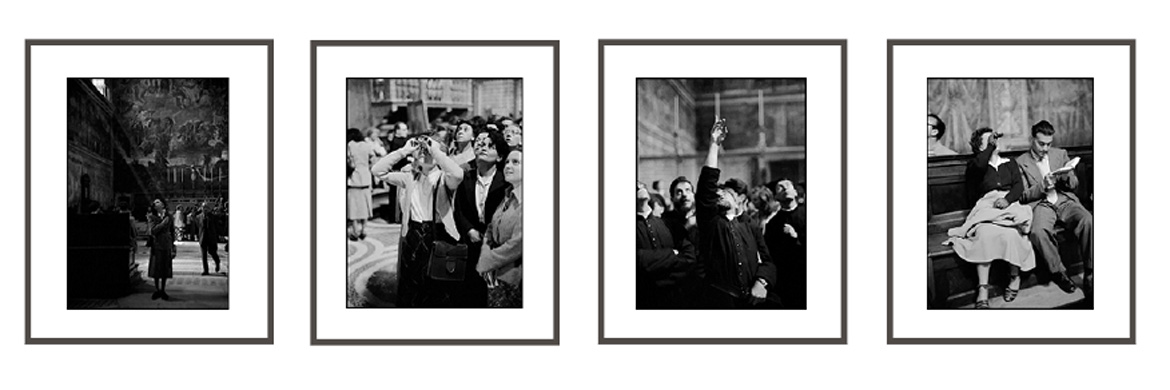
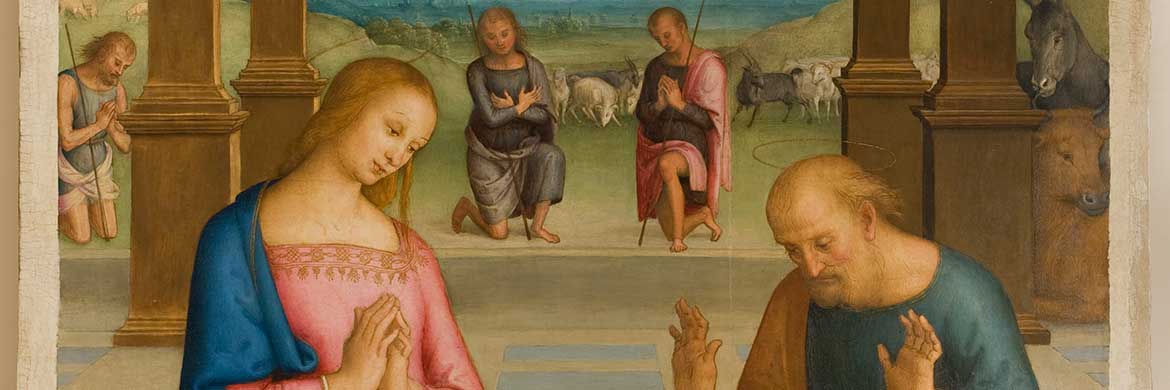
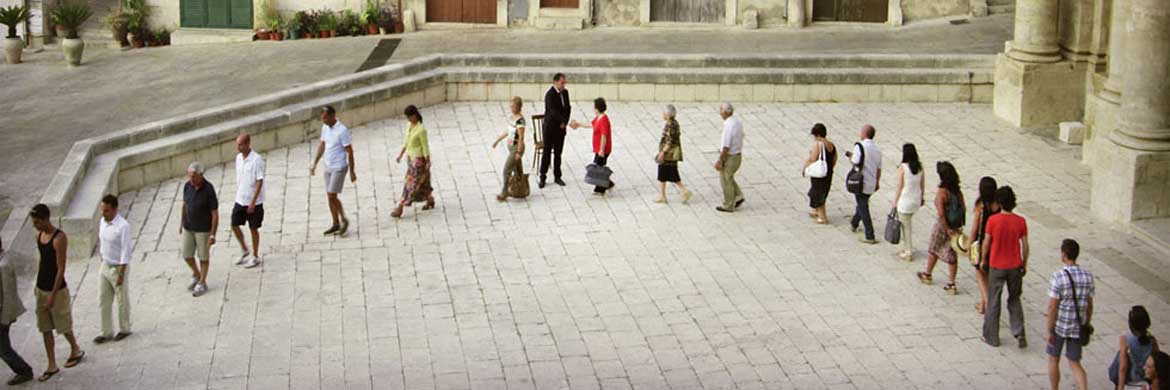
I lavori degli artisti chiamati a mettersi in dialogo con il capolavoro di Memling sono caratterizzati dal ricorso a linguaggi diversi. Stefano Arienti (Asola, 1961) propone una riflessione sul tema del Crocifisso, asse visivo e simbolico dell’opera di Memling. È pittura su tela quella proposta da Matteo Fato (Pescara, 1979) concepita come parte di un’installazione di cui il cavalletto costruito dall’artista è parte integrante. Julia Krahn (Jülich,1978) offrirà con un dittico fotografico un’immedesimazione nella figura di Maria sotto la croce. Danilo Sciorilli (Atessa, 1992) lavora su un trittico di video, mettendo al centro le immagini di una perfomance realizzata nel suo paese d’origine.
- Scopri le iniziative didattiche dedicate a gruppi e scuole: DIDATTICA
- Scopri il calendario delle visite guidate e laboratori, a cura dei Servizi educativi del Museo: CALENDARIO VISITE
- Per prenotare una visita guidata con i Servizi Educativi, scrivere a: servizieducativi@museodiocesano.it
- Per gruppi e scolaresche con guida propria, è obbligatoria la prenotazione: info.prenotazioni@museodiocesano.it
- Scopri la ricca proposta di iniziative collaterali:
Aperture serali e conferenze: CLICCA QUI
Visite a cura della Direzione: CLICCA QUI
“Con il cuore in ascolto”. Percorso di significazione a cura di Cooperativa Arcipelago – Anffas Nordmilano: CLICCA QUI
Giovanni Testori, Mater strangosciàs – Lettura scenica con Anna Della Rosa: CLICCA QUI