UN CAPOLAVORO PER MILANO 2026
ARTEMISIA GENTILESCHI
Annunciazione
Dal Museo e Real Bosco di Capodimonte, Napoli
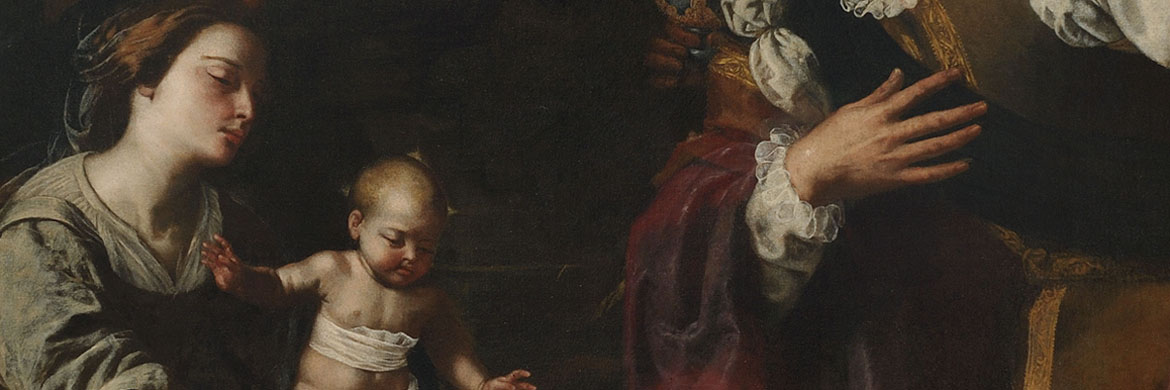
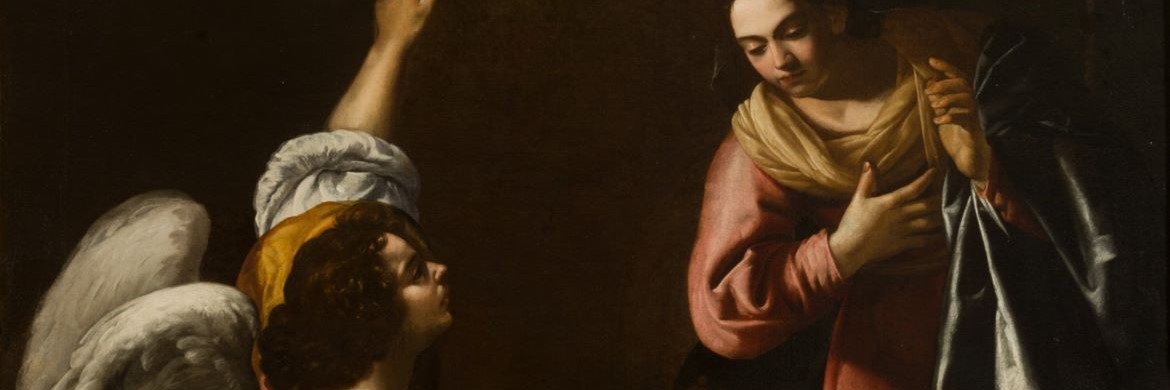
È l’Annunciazione di Artemisia Gentileschi (Roma, 1593-Napoli, post 31 gennaio 1654), proveniente dal Museo e Real Bosco di Capodimonte di Napoli, il Capolavoro per Milano 2026. Il dipinto rappresenta una delle testimonianze più significative della piena maturità artistica di Artemisia, in cui la pittrice seppe sintetizzare le diverse influenze assimilate durante i suoi soggiorni a Roma, Firenze, Venezia e, infine, Napoli.
Figura straordinaria nel panorama della pittura del Seicento, Artemisia riuscì a conquistare fama, prestigio e ampi riconoscimenti in un ambiente dominato quasi esclusivamente dagli uomini, grazie al suo eccezionale talento.
Datata 1630 nel cartiglio in basso a destra e realizzata a olio su tela, l’Annunciazione rappresenta la prima opera nota eseguita dalla pittrice a Napoli, città nella quale giunse intorno al 1629, dopo aver lasciato Venezia. Rimane invece incerta la destinazione originaria del dipinto, anche se il formato e le dimensioni potrebbero far pensare a una pala d’altare. Non si esclude tuttavia che la tela ornasse una cappella privata. Risale al 1815 il suo ingresso nelle collezioni dell’allora Real Museo Borbonico.
Grazie a un’attenta regia luministica, i due monumentali protagonisti emergono con forza dallo sfondo scuro di matrice caravaggesca, squarciato dalla luce soprannaturale intorno alla colomba dello Spirito Santo che sembra irrompere fra le nubi verso la Vergine. Gestualità, cromatismo e giochi luministici creano un effetto di grande concentrazione emotiva.
- Scopri le iniziative didattiche dedicate a gruppi e scuole: DIDATTICA
- Scopri il calendario delle visite guidate e laboratori, a cura dei Servizi educativi del Museo: CALENDARIO VISITE
- Per prenotare una visita guidata con i Servizi Educativi, scrivere a: servizieducativi@museodiocesano.it
- Per gruppi e scolaresche con guida propria, è obbligatoria la prenotazione: info.prenotazioni@museodiocesano.it